A schematic illustration showing the potential tumor suppressor role Biology Diagrams Both, in balance, regulate the whole cell cycle activities. Proto-oncogenes prevent cells from undergoing apoptosis, on the other side, tumor suppressor genes force cells to undergo apoptosis, if damaged. Note that apoptosis is a programmed cell death process that is also necessary for healthy cell cycle activities. Tumor suppressor genes are important genes that act within the genome to regulate several cellular functions. These genes can be broadly classified based on their role in cell growth/cell cycle progression, cell proliferation, DNA repair mechanisms, and other crucial cellular signaling functions such as the apoptosis induction. Without functional tumor suppressor genes, there is a high risk of In cancer, cells following new instructions begin to multiply uncontrollably, eventually creating cancerous tumors. Tumor suppressor genes help regulate a complicated cellular timetable, sometimes called the cell cycle. Tumor suppressor genes: Keep cells from dividing too fast and multiplying so quickly that they form tumors.

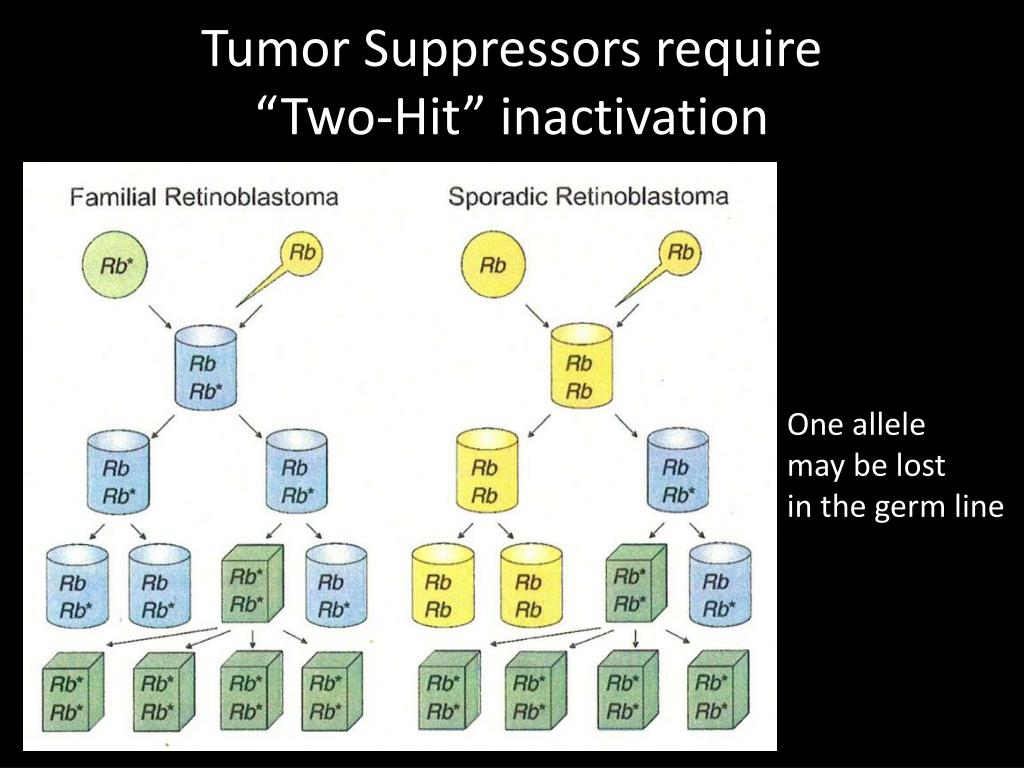
In contrast to the cellular proliferation-stimulating function of proto-oncogenes and oncogenes that drive the cell cycle forward, tumor suppressor genes code for proteins that normally operate to When something goes wrong with a tumor suppressor gene, such as a pathogenic variant (mutation) that stops it from working, cell division can get out of control. Inherited changes in tumor suppressor genes have been found in some family cancer syndromes. They cause certain types of cancer to run in families. But most tumor suppressor gene
Tumor Suppressors Status in Cancer Cell Line Encyclopedia Biology Diagrams
The tumor suppressor protein p53 also regulates progression through the G1 checkpoint of the cell-cycle. In particular, p53 is activated in response to DNA damage and serves to arrest cell-cycle progression in G1 and hence allow time for DNA repair. Checkpoints are depicted as thick red bars. The stages of the cell cycle (G1: Gap 1, S: DNA synthesis, G2: Gap 2, and M: mitosis) are indicated. Tumor suppressors act to maintain checkpoints The cell cycle.Many tumor suppressors work to regulate the cycle at specific checkpoints in order to prevent damaged cells from replicating. A tumor suppressor gene (TSG), or anti-oncogene, is a gene that regulates a cell during cell division and replication. [1] If the cell grows uncontrollably, it will result in cancer.When a tumor suppressor gene is mutated, it results in a loss or
