Understanding the Structure and Regulation of Telomerase Biology Diagrams In this Review, we discuss the transcriptional regulation of human TERT, hTR processing, assembly of the telomerase complex, the cellular localization of telomerase and its recruitment to telomeres, and the regulation of telomerase activity. We also discuss the disease relevance of each of these steps of telomerase biogenesis.

The published data on the regulation of telomerase activity are systemized. The structure and functions of telomeres and telomerase are described. The main pathways of epigenetic regulation of telomerase activity—modification of the TERT (telomerase reserve transcriptase) gene histone and its methylation— are described. Particular attention is paid to the regulation of telomerase activity Telomerase is the enzyme responsible for maintenance of the length of telomeres by addition of guanine-rich repetitive sequences. Telomerase activity is exhibited in gametes and stem and tumor cells. In human somatic cells proliferation potential is strictly limited and senescence follows approximately 50-70 cell divisions. In addition, elements in chromosome 3 seem to be important in telomerase suppression. Introduction of chromosome 3 into telomerase-positive renal carcinoma cells 32 or breast carcinoma cells 33 resulted in the repression of hTERT expression, down-regulation of telomerase activity, up-regulation of telomerase shortening, and cessation of cell
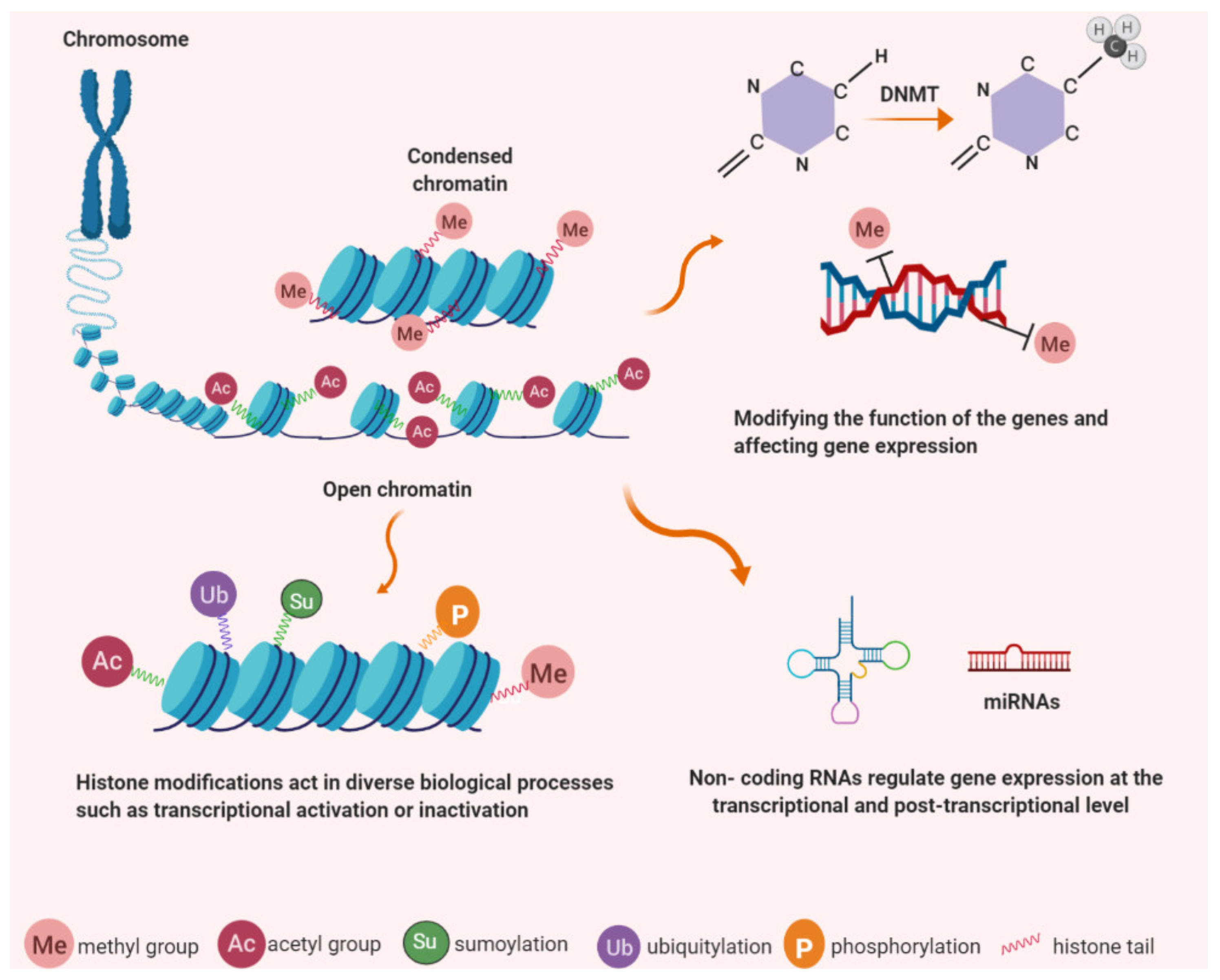
Complex Regulation of Telomerase Activity: Implications for Cancer ... Biology Diagrams
modulating telomerase activity as well [51]. Posttransla-tional regulation of telomerase activity can occur via reversible phosphorylation of TERT catalytic subunit at specific serine/threonine or tyrosine residues [51]. Due to multiple kinase and phosphatase activators and inhibitors the telomerase phosphorylation status may affect its Regulation of TERT transcription. Transcription from the TERT promoter is highly regulated and is the primary means of controlling telomerase levels in diverse cell types and cellular states. TERT

Negative regulation of telomerase activity can be achieved by sequestration of the enzyme in the nucleolus. Following DNA damage, hTERT transiently moves from the nucleoplasm to the nucleolus . This re-localization is hypothesized to reduce the probability of de novo telomere formation at sites of DNA damage . PinX1, an Thus, the study of telomerase activity regulation at the level of enzymatic complex activity seems to give an alternative. Anyway, it is still supposed to use both, activity and expression regulation methods, as adjuvant therapies similarly to G-quadruplex stabilization. Understanding of telomerase activity may then bring a new insight into
